How a Brooklyn-bred brand architect built a 30-year record of turning unknown businesses into cultural movements, long before anyone called it a strategy.
There is a particular kind of expertise that doesn’t announce itself. It accumulates quietly, in boardrooms, on Bedford Avenue at 4AM, in Kate Spade’s kitchen on the Upper West Side, until one day the receipts are too large to ignore.
Breuk Iversen has been in rooms like those since 1992.
Today, Iversen is the founder and principal of 8grape (operating under Williamsburg Concierge, LLC), a branding, advertising, design, and marketing agency based in Staten Island, New York. He is the creator of The Neurochemical, a neuroscience-informed methodology that targets the limbic and reptilian brain through imagery and language, and the mind behind proprietary frameworks including The Formula™, The Process™, and KUDOS™. His clients call themselves Patrons. His agency calls its service tiers Casks. Everything about the operation reflects a man who has thought deeply about what branding actually is.
But the story doesn’t start with 8grape.

The 1992 Foundation
In 1992, Iversen was working at KBSP.com, a New York ad agency, alongside copywriter Andy Spade and a team of internationally recognized art directors. Two of the accounts were Coach Leatherware and Kenneth Cole. The work was precise, premium, and results-driven. It was also formative.
That same year, two more engagements would quietly shape American consumer culture.
The first was Snapple. Iversen helped develop the television ad campaign featuring Wendy the Receptionist, widely regarded as one of the first reality TV commercials in advertising history. The campaign drove epic sales in its first two quarters, caused Snapple’s stock to split twice within six months, and set the stage for the brand’s acquisition by Quaker Oats for $1.7 billion.

The second was Kate Spade.
Working directly with Kate and Andy Spade out of their Upper West Side apartment, Iversen helped launch what would become one of the most recognized women’s fashion brands in the world. The moment that defined the brand’s entire visual identity came from a single question Iversen asked one evening: “What was your favorite fairytale growing up?”
Kate’s answer: Alice in Wonderland.
That answer became the color scheme, the patterns, and the house style of Kate Spade. The brand, built on guerrilla marketing, precise copywriting, and clean imagery, expanded internationally within four years. It was eventually acquired by Coach, renamed Tapestry, Inc. in 2017.
Building Brooklyn


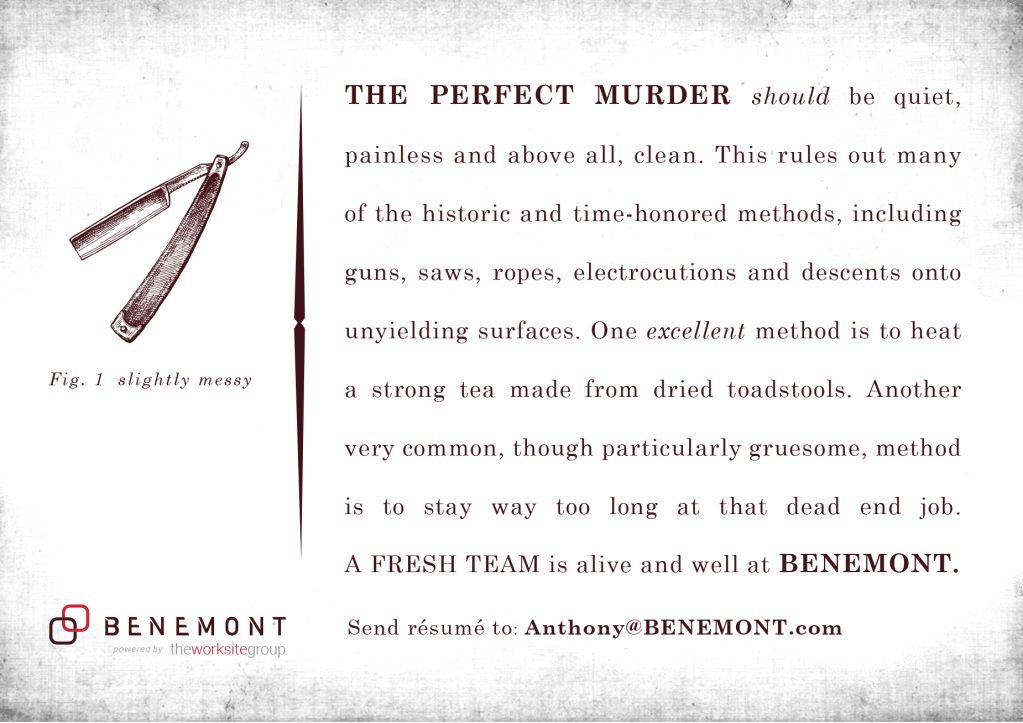
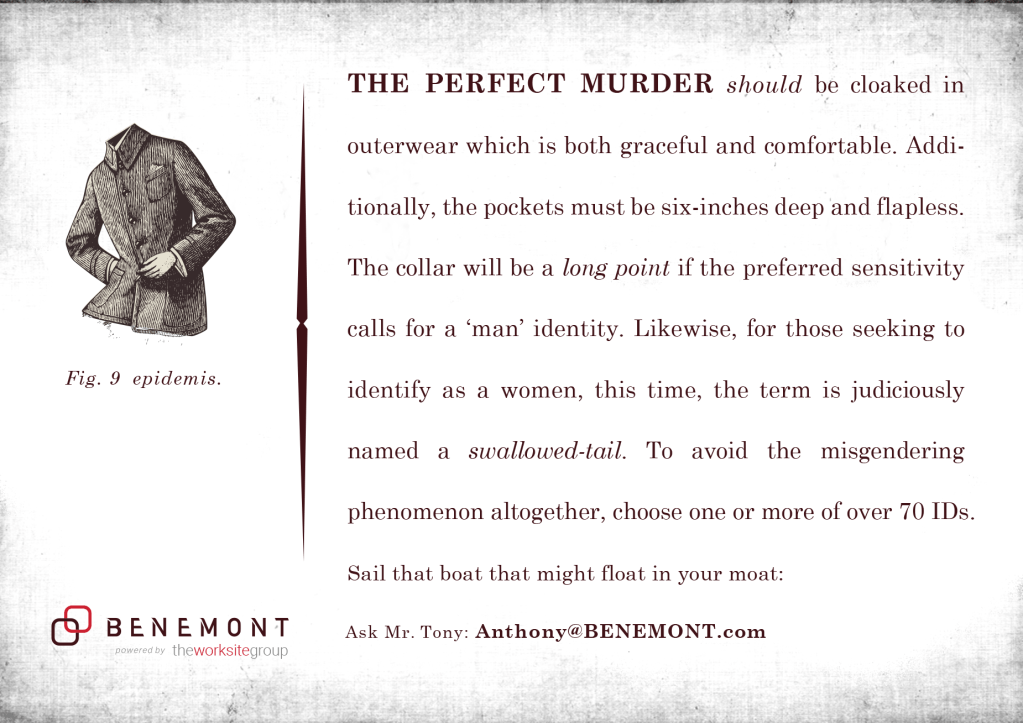
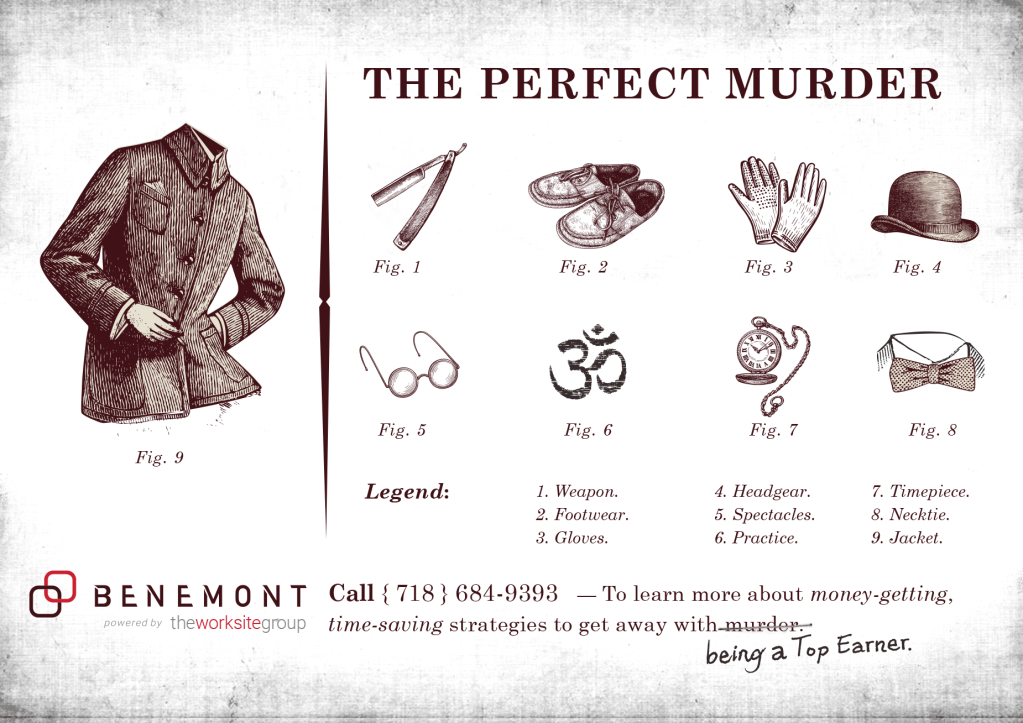
By 2000, Iversen had relocated to Williamsburg, Brooklyn, when the neighborhood was still raw, industrial, and largely overlooked. He founded 11211 Magazine, a hyperlocal, full-color glossy publication that would distribute 500,000 copies and change the trajectory of an entire borough.
The New York Times covered it in 2001. A lifestyle researcher at Martha Stewart Omnimedia later confirmed that 11211 Magazine had a direct and measurable impact on Williamsburg’s branding. Brooklyn wasn’t even tracking tourism numbers until 2001, the surge in L train traffic forced the borough to start counting. By 2010, Brooklyn tourism peaked at 15 million visitors.

In 2015, NYU Stern School of Business invited Iversen to be interviewed on urban development. He is widely credited as a foundational force in establishing Williamsburg, and by extension, Brooklyn, as a globally recognized cultural brand.
The same era produced a notable result for Cross County Federal Savings Bank. A single ad campaign Iversen designed for their Bedford Avenue branch generated 250 new accounts in week one and 1,200 in two months.

Three Decades of Measurable Results
The pattern continued across industries and decades.
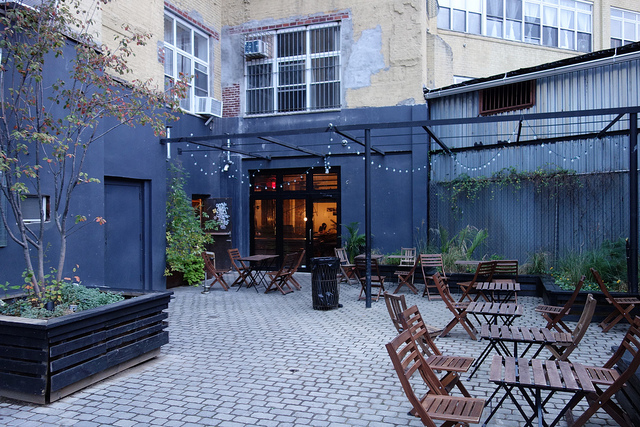
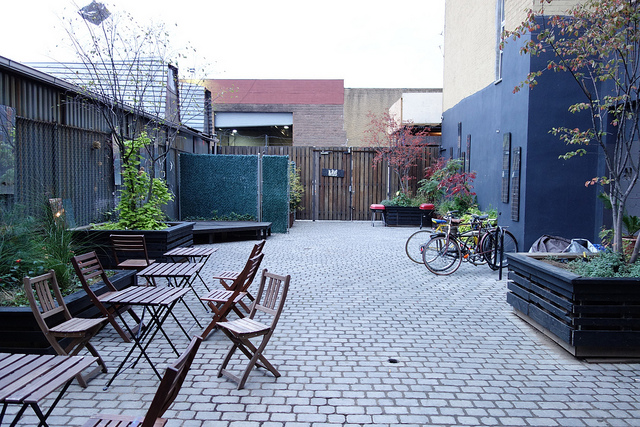
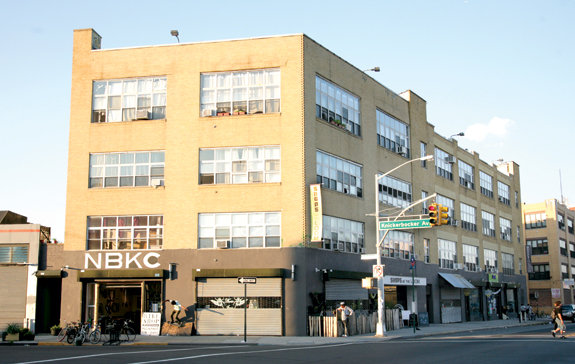
In 2007, Iversen redesigned the architectural layout of The Loom, a retail mini-mall in Bushwick, Brooklyn, converting a linear floor plan into a circular flow model. The result: 0% vacancy, a record it still holds.


The Loom (AFTER)

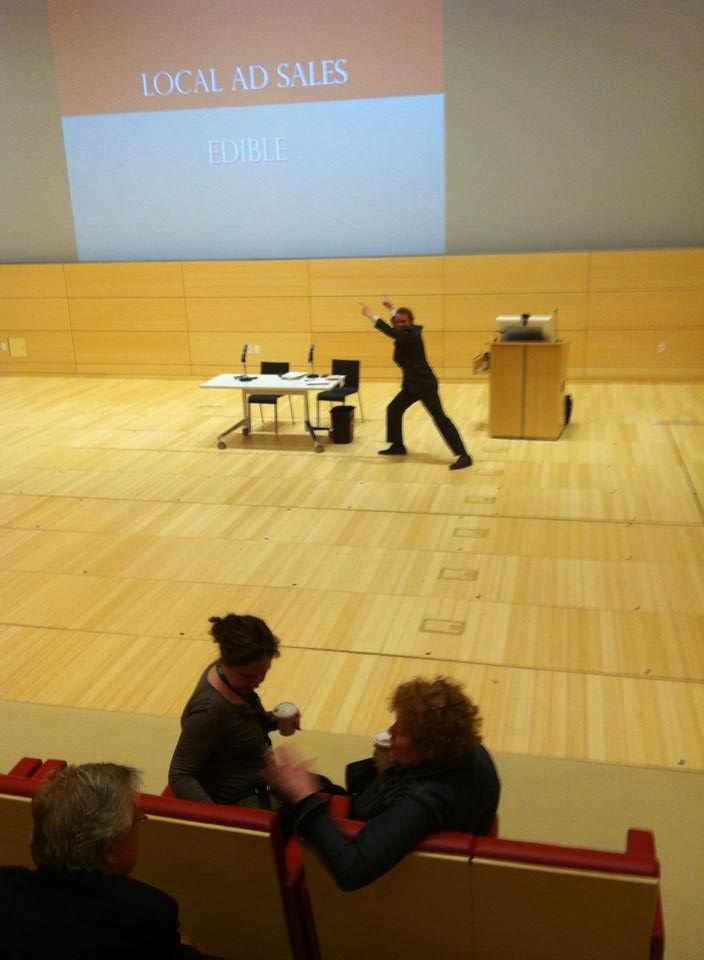


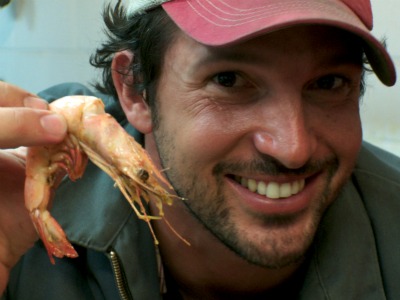

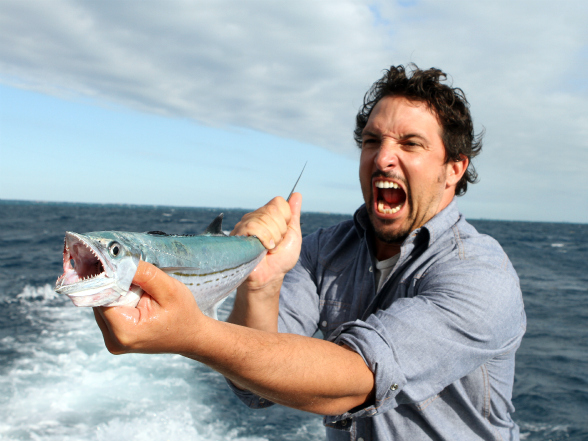
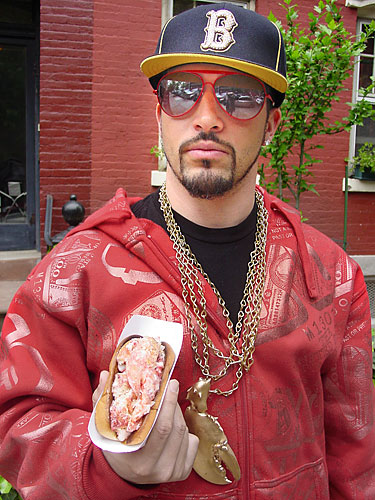
In 2009, he helped Ben Sargent, a longtime 11211 Magazine advertiser, transition from Williamsburg local to nationally syndicated television personality on FX, eventually becoming an Iron Chef known as Dr. Klaw.
In 2010, he rebuilt City Acupuncture’s customer base after Hurricane Sandy devastated their lower Manhattan location, using targeted email and social media campaigns. City Acupuncture is now the second largest community acupuncture clinic in the United States and the largest on the East Coast.
In 2011, he rebranded a 35-year-old bodywork methodology called Body Evolution into Somalogy, an invented name designed to carry the weight of a legitimate medical discipline. Today, practitioners trained in the Somalogy method operate in Europe, Japan, and across the South Pacific.
In 2014, he helped a fashion incubator secure a $3.5 million grant. On a no-money-down, 30% commission structure, the resulting fee was $1,050,000.

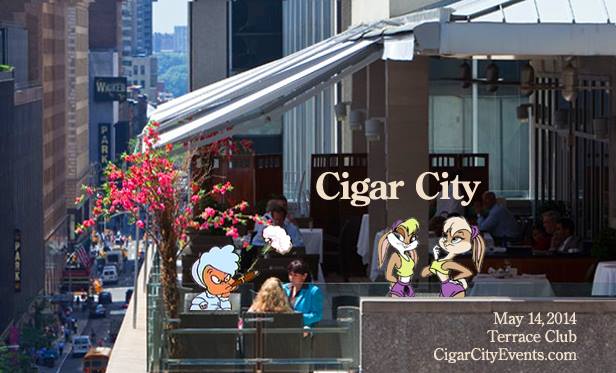


In 2015, a $500 Facebook ad campaign for XXL Magazine and Harris Publications sold out a hip-hop event at the Highline in New York City overnight, with a line around the block until 2AM.



The Methodology Behind the Results
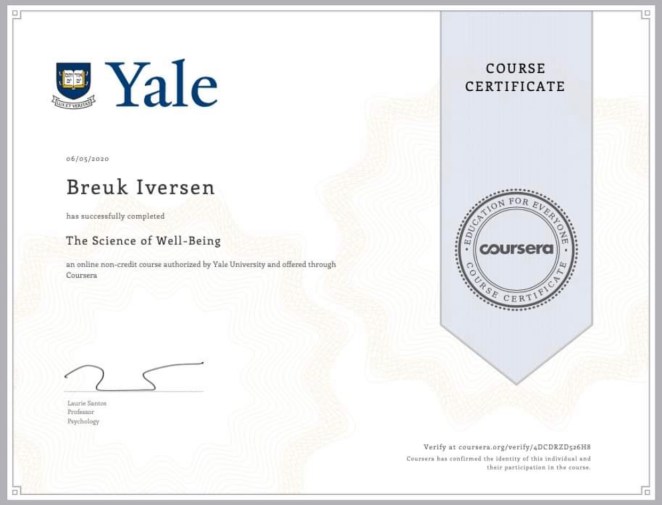
Iversen holds a Yale Certificate in the Science of Being Happy and has been listed by Graphis as one of the 120+ most prolific graphic designers of all time. A biography, Breuk Iversen, is currently sold on Amazon and AbeBooks for $40 or more. It contains,


According to Iversen himself, rare Neurochemical trade secrets he wishes hadn’t been published.
The methodology that drives all of his work, whether under BinkNyc, his strategic publicity brand, or 8grape, is rooted in what he calls Human Default Patterns: inescapable behavioral conditions shared by all people, regardless of culture, politics, or background. Like gravity. Like time. Like the seasons.

When these patterns are woven into branding and advertising campaigns, results become more predictable. Not sometimes. Nine times out of ten.







What He’s Building Now
Today, Iversen operates 8grape from Staten Island’s North Shore.
Recognized in 2018 as being exactly where Williamsburg was in 1998. He is rebuilding the Staten Island Film Festival for national and industry reach, developing the ai Amplification content program to help businesses establish authority in the era of AI-driven search, and deploying 30 years of proprietary methodology through premium client engagements called The Private Pour.
The résumé is long. The approach has never changed.
Find the human default. Build the brand around it. Let the results speak. The rest, as always, is history.
Breuk Iversen is the founder and principal of 8grape,
a branding and marketing agency based in Staten Island, NY.
Soon relocating to Manhattan & Brooklyn.
Learn more at 8grape.com or BinkNyc.com.
https://www.8grape.com/breuk-iversen
House of 8grape
by Sourav Kumar
Sourav@8grape.com

